Okay but seriously folks – as often as I joke about this movie stirs my loins and as weirdly popular as this text post got a while back, I wanna rap with you all about why the George of the Jungle remake is a pretty important piece of cinema.
It’s literally the only movie I can think of that is based completely around the unheard of “FEMALE gaze.” Granted, while I’m a huge movie buff I’ve not seen every movie ever made. But even so, even if there’s another example of the “female gaze” in cinema that has escaped me it’s still damn impressive that a kids movie from 1997 based on a Jay Ward cartoon from the 60’s managed to turn gender representation in media on it’s fucking ass!
First things first, let’s look at our leading lady and love interest – Ursula, played by Leslie Mann.
Let me just say that while Leslie Mann is adorable and a talented actress, she does look a little less conventional and a little more plain compared to the bombshells that Hollywood likes to churn out. Leslie, in comparison, looks much more like a real women you’d meet on the street. She dresses pretty conservatively and plain throughout the film ; Wearing outfits that are more functional than fashionable for trekking through the jungle, pulling her hair back and so forth. Not that if she was dolled up and more scantily clad it would give her character any less integrity, but can we appreciate how RARE that is in the male dominated industry of film? Just think about all the roads a film about a woman in the jungle COULD have taken but didn’t – no scenes with her clothes strategically ripped or anything! You can say this is a kids movie, intended for children and that’s why the sensuality of the female lead is so downplayed but there are PLENTY of kids movies that handle women in a very objectifying and sexualized manner despite the target audience is pre-pubescent. Like, a disgusting amount. So I don’t think “it’s a kids movie” is why the film doesn’t take ANY, let alone EVERY, opportunity to showcase the main female character’s sex appeal…
…especially considering the sex appeal of the film rests squarely on the well defined shoulders of our male lead, George of the Jungle played by Brendan Fraser in the best god damn shape of his life!
*Homer Simpson Drooling Noises*
Whenever members of the reddit community try to compare the sexualization of women in fiction to the design of characters such as Batman and Superman, I always want to just sit them down and show them this movie. Because THIS is what the female sexual fantasy looks like, and Batman and Superman are male power-fantasies. Look at him – his big blue eyes, his soft hair, his lean, chiseled physique built for dexterity rather than power. He’s wild and free, but gentle. It’s like he fell right out of that steamy romance novel your mom tried to hide from you growing up.
Hell, the whole plot seems to be designed around how damn hot he is! First, for the majority of the film, he wears only a small strip of cloth to cover the dick balls and ass. Everything else is FAIR GAME to drool over for 40 minutes. Then, after he meets Ursula she takes him with her to San Francisco just so we can enjoy him in a well-tailored suit (as seen in the gif set), running around in an open and billowy shirt along side horses while Ursula and all of her friends literally crowd around and make sexual comments about him, and my personal favorite, ditch the loincloth entirely and have him walk around naked while covering his man-bits with various objects while one of Ursula’s very lucky friends oogles him and makes a joke along the lines of “So THAT’S why they call him the ‘KING of the Jungle’…”
And yes, it’s also a very cute and funny little movie. Out of all the movies based on Jay Ward cartoons, it was the most faithful to the fast-paced humor and wit of the original source material (yes even the new Peabody and Sherman movie which honestly I thought was too cutesy-poo.) But that’s not why this movie is popular with the gay community or why we all became women in 1997. It’s just really cool that there’s a film out there where the sensuality of the female form takes a back seat for the oiled up, chiseled, physique of Brendan Fraser (in his prime that is)
One thing to add: in the scene mentioned above where the ladies are watching him in the billowy shirt running with the horses, it pans back to about 50 feet away to two guys in suits at this party looking at the women and one of the guys says, “Man, what is it with women and horses?” So not only does this movie highlight the female gaze, but it blatantly points out that western male sensibilities don’t have a clue what actually appeals to women.
ALSO
he’s non threatening
as mentioned above, he looks built for dexterity rather than power, but he’s still a 6+ foot tall extremely muscular man, and not once are you worried for Ursula when he’s with her
ALSO
let’s take a look at his rival – Lyle is a cravat-wearing trust-fund kid (who, interestingly, is into Ursula’s fortune more than her, which kind of makes this a gender-swapped gold-digger thing too). He’s blonde and Ursula’s mom LOVES him. He’s more uncomfortable and less prepared to cope with the jungle than Ursula is, in his pastels and shiny shoes.
But he talks over Ursula, insists he knows what’s best for her, ignores her autonomy. In spite of the fact that Lyle Van de Groot is a rich, educated, social climber who cares deeply about his clothing and appearances he is a point-by-point checklist of unhealthy masculinity in a way that beefy, inarticulate, uneducated George could never be. Ursula is off on her own doing her own thing and Lyle hires two FUCKING POACHERS to track her down in the middle of the jungle while she’s working (or on vacation? It’s never made clear because he interrupts her before she can explain why she went on the expedition). Lyle ignores the local guides, claiming his experience with a bridge in Maui means the bridge they’re on is safe – which leads to a significant injury for one of the guides. He then tells Ursula the guides are conspiring against him, trying to make himself and his poachers seem safe and the Africans who make up the rest of their party seem dangerous.
Check that body language! A post above points out that we’re never worried about Ursula when she’s around George. That’s because Lyle talks to her like this. Look at his aggressive lean! Look at him literally looking down at her! She’s tilted away from him in the least threatening position possible and he’s so aggressive about whatever point he’s making. When he finds her after he pushed her toward a damned lion he kisses her and she pushes him away. Want a textbook example of gaslighting? Here you go: she says “don’t get all smoochy with me! I remember what happened with that lion” and he responds “What are you talking about? I was fighting that lion the whole time – you were just so terrified you don’t remember.” Then he shoots George! And then he kidnaps Ursula and attempts to force her into marriage!
Now look at how George and Ursula interact (slightly NSFW):
Even though he’s a big strong dude and he thinks he’s doing what’s okay he lets her set the tone for their interactions. He accepts that he’s out of his wheelhouse and even if he doesn’t understand it he does what she says is culturally appropriate. He learns from her! He listens to her! Compare Lyle leaning into Ursula above to this image of George and Ursula talking:
He’s listening to her, all of his attention is on on her, but he’s totally nonthreatening. His torso is turned toward her but he’s not invading her space, his hands are clasped, he’s smiling, and she’s the one leaning into him. Look at that smile she has, look how happy she is to be listened to. Her posture in both images is vulnerable but in this one with George she’s vulnerable because she has chosen to share with him instead of because she feels threatened.
When George rescues Ursula from Lyle at the end of the film it isn’t a typical damsel situation – George doesn’t have a knock-down-drag-out fight with Lyle, he swings into a tree and offers Ursula a hand so she can reach up and save herself (and before he does it he acknowledges how much it’s going to hurt and *whimpers* and looks human and scared). And you’ve gotta remember that George rescues everybody. It’s not just Ursula – he also rescues a parasailer and gets shot rescuing Shep and Ape. He just likes helping, dammit!
AND this movie offers a perfect counter to the “nice guy” thing – Ursula starts engaged to a jerk who her mom thinks is a “nice guy” the moves on to actual nice man George who isn’t *just* nice – he’s also patient, listens to her, has his own skills and talents, is okay with being goofy, has his own social circle and isn’t totally dependent on Ursula, and looks amazing. Ursula doesn’t go with George just because he’s a *nice* guy who rescued her from an asshole, Ursula goes with George because he’s an interesting, fun person who is supportive of her different way of being an interesting, fun person. AND he’s emotionally available. Google image search George of the jungle and see how many smiles you can find, see how many open looks of confusion there are, see how much sadness you can see in George’s face. Now look for images of Lyle. His two expressions are a smirk and cartoonish fear. I know this is a cartoonish kid’s movie, but it is SO powerful that the hero shares his emotions while the villain masks every emotion but fear. Lyle doesn’t want to open up, he doesn’t want to be vulnerable, he wants CONTROL. George wants to learn, to protect people he cares about, to explore new places, to laugh when he’s happy and to be sad when he’s sad, and that he does that while being a broad-shouldered, physically powerful dude who is NOT totally self-involved is just…
Like, look, I didn’t sign on to tumblr dot com for George of the Jungle discourse, but I’m just now realizing that this movie may have done the most for destroying my conception of stoic masculinity and gender roles as a child.
Like
Damn.
2nd reblog because this is even better.
George of the Jungle discourse is definitely what I signed up to this hellsite for me thinks
A faerie introduces himself. Then, holding out a hand, asks, “And your name, please?”
And, like a fool, you give it to him.
I got asked for clarification on this (but can’t reblog that particular post cuz on mobile), which I’m more than happy to provide.
In this post, a faerie is asking for ‘your’ name. The way he is wording it, however, and the accompanying beckoning motion, makes it seem as though he is asking for you to physically hand your name over. Which, because of how some faeries operate, he is.
In this instance, saying your name aloud to the fae would be literally giving your name over to him, the exact consequences of which are left up to the imagination–usually, a fae even knowing your name gives it some measure of power over you, but giving something your name would likely let it completely take over your life.
In this instance, the wording you want to use is something like “I will not give you my name, but I will tell you that it’s [name].” Alternately, you can just lie to him.
Might i suggest the less direct yet still name-preserving “you may call me…”? It dodges the request while still giving an answer of a name, which does not even have to be yours, but any name you feel like telling the fae they can use to refer to you. I would recommend “Ainsel”.
The first time he asks for your name is the first time you meet him. He appears as you walk by the færie ring, that you have not entered because your grandmother has repeated so many times not to do so, and, curious of your presence, watches as you jump when you notice him.
You recognize him instantly. It is the Fæ whose influence your village is under, the one the elders have told you and your friends to be wary about, for the people who have been seen walking away with him have never come back.
You don’t know what he does to them. The villagers have never dared to confront him about it, never dare to address to him at all. He is not evil: he sometimes speaks blessings upon the cattle, talks the horses to calm after a storm, ensures a good harvest for the farmers, makes the flower bloom in spring even when the weather is still too cold. He is, simply, a Fæ, whose ways humans cannot understand.
“Hello, little one,” he says as you stand very still, back straight, hands fidgeting with the fabric of your skirt.
You do not go away – you cannot. This, your grandmother has taught you, would be considered as an offense, and you could be cursed, or he could take out his wrath onto the village. You do not shy away from his stare, however, even not knowing if this will displease him or not. You are eight, have the courage and the recklessness of your childhood innocence, the boldness of those who have not yet learnt how to fear; but you have been warned against the Fæs, who like to toy with humans and play tricks upon them, so you do not defy him either.
He walks up to you. You pray he will stay in the færie ring, as it feels like a protection, and fortunately, he does. He isn’t too malicious to the youngest ones, you have been told once – just do not know if this is true or not. You knew a girl your age called Nimia, that has been caught a year ago, and she has never come back to the village, and her parents have cried all week cursing the Fæ.
You summon to your memory everything your grandmother has taught you to ward off Fæs, and protect yourself against their tricks. You do not want to be the next Nimia.
He introduces himself as Áed, although you suspect it is merely a nickname. Then, holding out a hand, he asks, “And your name, please?”
There is your grandmother’s warning at the back of your head: names give power over people. The Fæ is asking you to literally give him your name, and who knows what he’ll do with it – he might as well use it to take you away, like he surely did to Nimia. To all the people who have never been seen again. To your own mother, two years after you were born, even though she was too clever to be caught by a Fæ’s trick.
So you remain quiet, watching him with wide eyes, until his own stare darkens, and he shakes his hand under your nose.
“Your name, little one.”
You pull yourself together. He might curse you if you don’t answer. You gather your courage, and, with the spontaneity of children who have freedom in their veins and do not bend to rules, you stretch out your hand back without touching his.
“I am sorry, lord Fæ. I haven’t heard you very well. Can you give me your name, please?”
He looks at you with surprised amusement. “Oh, well played, little one. You’re clever. Just for this one, I will let you go.”
He retreats his hand, and you scramble back as quickly as you can, bowing to him clumsily before taking your leave.
You had passed by the færie ring to go the well to wishes, even though the elders forbid the youth its access, disobedient little child that you are. You just wanted to wish for your father to let you wear your mother’s necklace – ‘not yet’, he always says, ‘when you are thirteen’. You forget about going there, after this encounter. You go back home, and your grandmother scolds you for having been gone for so long.
You do not tell her about the Fæ. She has already lost her daughter to him. If she knew he had tried to lure you, you would not be able to leave the house again – and you value your freedom too much for that.
The second time he asks for your name, you are fifteen, and you have ran to the well to wishes again, forgetting the elders’ warnings. You have sworn to yourself you would not go back home anyway. You are not sure what you want to wish for, but at least for all this pain within you to fade; just to be more, or maybe less, like your mother, to accept the village’s rules better, to simply fit in and be happy that way.
Eyes full of tears, breath uneven, barefooted on the grass, your mother’s necklace beating against your chest as run, you have not made a detour to avoid passing by the færie ring. You trip and fall in front of it, and Áed finds you curled there, crying and cursing to the world.
“Those are not pretty words,” he says.
You freeze. You push yourself on your elbows, sees the færie ring, feels dread slip into your head. It is only the second time you see him, and you are not a child anymore. You have learnt to fear.
The Fæ, who has taken Nimia, then Lettie, on the day of her wedding, and even the old Mack, hovers over you curiously, at the edge of the færie ring. You remember to keep still, not to offend him. You feel the fear you should have felt when you were eight; and yet again, as tonight sadness and despair have already filled your heart, you do not manage to remain terrified.
“I don’t care,” you answer, sitting on your knees.
He finally sits down, too. He does not talk, so you do not feel compelled to talk either, and silence stretches between you for a while.
“Were you going to the well to wishes?” he asks eventually. You nod. “It does not work anymore. Whatever you wish for, it will not grant it.”
You feel your chest tightening.
“You might not say the truth.”
He smiles. “Indeed. I might not. But you can try yourself.”
It might have been his way to allow you to leave – but you do not find it in yourself to do so. You are tired. You have run as fast as you could from your home. Your grandmother must be worried about you, and she will probably never let you stray from the village again. Your father’s shouts still resonates in your ears, saying you are not a good daughter, that you will never be, asking why you feel such a need to always run free, just like your mother, then asking why you cannot be her.
You know you should listen to your elders, tame yourself, learn to properly take care of your household, and stop fleeing from your duties and your classes to explore the wild. You just cannot help it. You were already a disobedient child; but the teenager you are now cannot bear authority.
Freedom.
Is it too little to ask?
“Are you going to stay here?” Áed asks.
You shrug, unable to answer properly. You feel too pitiful to try to talk with a Fæ – a tricky exercise, as Fæs like to twist words as they like and get human souls from a clumsy sentence.
“You can,” Áed then says. “I will watch over you.”
“This sounds too nice, lord Fæ.” You haven’t been able to prevent the dryness of your tone. “It might be another trick.”
And yet, you lay on your back, somewhat desperate, arms crossed behind your head, not knowing where else to go or what else to do. The Fæ, after all, is not evil, you remind yourself. He also does good things, occasionally. You might just be lucky.
“Aren’t you afraid, little one? I know you do not trust me.”
“I am too tired for that.”
He laughs. “Will you not give me your name, then?”
“I cannot give you my name,” you reply. You know what it would lead to. Giving your name to a Fæ is giving him the power to take over your life. “But I will tell you that it’s…”
You hesitate. The Fæ knowing your name would also give him some power – that is what has lost Lettie, you’ve been told.
“Elaine.”
You close your eyes, and Áed simply laughs. He does not speak afterwards; yet you remain wary, and heavy thoughts are on your mind, so you do not find sleep easily. You end up turning towards him, and opening your eyes again, wondering if he has left, too bored to stay watching over a sleeping human.
But he’s still there.
“Little liar,” he says, not smiling but not sounding angry either. “This is your mother’s name.”
You are somehow not surprised he has noticed. Your grandmother said your mother used to go the well to wishes often – she might have met him too, talked with him, before he took her away. Just like you, your mother didn’t fear the way to the well to wishes and the færie ring. The same recklessness, the same need for freedom runs into your veins. That might be why your family is so afraid to lose you.
“You remember her?”
“I do. I remember Nimia, also. That foolish girl, Lettie. The old Mack, who tried to cut the færie ring. And all the others.”
“Why do you take them away?”
He looks at you. “Humans are fascinating. You poor little things, so weak and powerless, your lives are so short, and you do not know half the wonders that exist. And yet. You manage to find happiness.”
You feel yourself drifting off to sleep, listening to the soothing velvet of his voice. Exhaustion has caught up to you. Your eyes are already closing off.
“It is no reason to take it away from us,” you murmur, tiredly.
He keeps on staring at you, but does not answer. After a while, you simply close your eyes again, and this time, sleep finds you after a few minutes.
When you wake up, Áed is gone. You go back home, and your grandmother cries when you arrive. She forbids you to leave ever again. Your father apologizes for his harsh words, and you apologize for your rebellious attitude.
“Where were you?” your grandmother asks, once the calm has returned to the household.
“I slept by the færie ring,” you say. “But the Fæ wasn’t there.”
You can hear it in your head, ‘little liar’ said with his voice, and it somehow makes you want to smile.
“You shouldn’t,” your grandmother admonishes. “Your mother used to do that too, and look where that led her. You were lucky.”
“Yes,” you reply, and this time you think it, too.
The third time he asks for your name, four years have passed ever since you have slept by the færie ring, and your grandmother has still not allowed you out of the village. She does not like the longing looks you throw to the forest and the valleys beyond either, says you are now of age to be married, and should do so before she picks you a husband herself. This annoys you. She has, however, loosened her strict watch, and you can come and go out of the house mostly as you please.
For a few months, now, Kevan has been courting you, and you enjoy having the freedom to spend time with him. He is the blacksmith’s son, has had several lovers before you; but he assures you he can only look at you now, that you are the special one, and he swears if you marry him, he will make you the happiest woman of all Qelt.
You always laugh at that. He is cute and charming, but freedom is still your keyword, and you do not see yourself speaking vows to anyone yet. He shrugs, whenever this is your answer, then takes you in his arms, and makes you laugh some more.
But tonight, he doesn’t shrug. He has drunk, you know, maybe too much, and you look at him in slight fear when he grabs your arm too tightly after you have refused him once again.
“Why?” he groans. “I’m nice to you.”
“I know, Kevan,” you reply, trying to keep your calm. He is simply drunk. You have talked to more drunk boys than one, nothing has ever happened to you. “Now let go of me, please. I told you, I simply do not want to marry yet–”
“You do more than that. You refuse yourself to me. I’m courting you, but it never goes further than an embrace.”
“I do not owe you more than an embrace. If this bores you, you’re free to woo another woman.”
He pulls you to him, and his grip hurts, this time. “I do not want another woman!”
“Kevan, you’re drunk!”
You put a firm hand on his chest to keep some distance between you, keeps your head away from his. You know what he wants, but you do not want it.
“Why don’t you love me?” he asks, accusatory.
Part of you feels guilty. Part of you feels angry.
“I don’t owe you feelings.”
“You’ve seduced me. You’ve let me court you.”
You thought you loved him. You simply wanted to take it slow, to grow a friendship with this charming boy, before doing anything. You enjoyed his attention. You enjoyed playing this little game of cat and mouse with him, thinking it would end well for the both of you once you would have decided your freedom could also be with him.
But not anymore.
Your freedom cannot be with a man who will not wait for you, yet will not move on to someone befitting him better.
“I just wanted time, Kevan,” you try, despite knowing the idea of a future with him is over. “Can you understand that?”
“No!” he roars. “I’ve waited enough. You’re mine, you hear me?!”
“You’re drunk, you don’t know what you’re saying, you-”
“YOU’RE MINE!”
He pulls you closer, and you break free. He screams your name, but you’re already running out of the inn, under the confused eyes of the other villagers who have always seen you two getting along so well, and do not understand what has happened.
Kevan screams your name again, chasing after you.
Fear takes over.
What is he going to do? He is drunk, simply, he surely himself does not understand his own acts. But what if he catches you? Will he just shout? Will he cry? Will he stop himself, being the charming boy he has always been?
Unless this charm of his was nothing but a way to get into your bed, and this friendship you wanted, he has never had any use of it?
And if he catches you, he will get his way with you, whether you want it or not?
No, he wouldn’t do that. He isn’t like that. He might not go that far.
But you can feel his need for bruising kisses, for his hands on your skin, at least, and you can see yourself crying as he holds you tight and calls you his, because it is not how it was supposed to be – and this, you do not want at all.
He calls you names. Yells insults. You run, never turning back, never slowing down. You cannot lead him to your home, you think. Your grandmother and your father are sleeping and you should not even be out, and he would get you before the door.
So, you keep on running.
Your legs carry you to the only place where you’ve found safety outside the village, and when you hear Kevan’s voice louder, his steps closer, you scream before diving into the færie ring.
“ÁED!”
He receives you in his arms. You fold against his chest, trembling and still unable to believe the man you thought could become your husband has gone as far as chasing you outside the village, to the færie ring all villagers avoid.
You do not even want to know how Kevan has reacted. You breathe in and out, slowly, letting Áed hold you and stroke your hair.
“Easy, little one,” he whispers to your ear. “Easy.”
“What are you doing?!” Kevan’s shout. He sounds afraid. “Get back here! It’s–”
“Hush, human.” You have never heard Áed speaking so coldly. Kevan falls silent – drunk or not, every villager knows to respect the Fæs. “This one is under my protection.”
There are no words exchanged for what seems to be a long, long time. You can hear Kevan’s ragged respiration behind you, just one meter away. The færie ring feels like a protection once again; yet you’re inside, this time, and that’s where you feel safe.
“Leave.” There is the hint of a threat in Áed’s voice. “Now.”
Kevan’s steps finally hurry away after a few seconds of hesitation, and you break. You cry. You cling on Áed’s tunic, and you shed your tears, resting your forehead on the crook of his neck.
“It’s okay, little one. He’s gone. You’re safe.”
You somewhat forget he has taken your mother, Nimia, Lettie, the old Mack, and all those other missing villagers from before you were born, during the centuries he has lived. You somehow forget of what you risk, being in a færie ring, in a Fæ’s embrace.
And Áed does not lie to you. You’re safe. He lets you cry in his arms, without asking anything of you, without taking you to Fæqelt, the holy land where his kind resides, without any tricks or malice.
“I do not want to go home,” you murmur.
“It is okay, little one. You can stay here. The færie ring is safe for you.”
You pull away to look at him. “Are you not going to trick me?”
“I won’t.” He is grinning. You believe him, even though you should not.
“Not even ask me for my name?” you try to joke, pathetically.
He raises a brow. “Would you give me your name?”
“No,” and this time you’re smiling, even just a little. “But you may call me Ainsel.”
He laughs and ruffles your hair, and keeps on calling you ‘little one’ – he’s a Fæ too old to be tricked back that way. You end up laying down side by side in the færie ring, and he talks with you until you fall asleep.
When morning comes, you’re in your bed. When you finally stop avoiding him, a few days later, Kevan apologizes to you, then never talks to you again.
You prefer it that way.
The fourth time he asks for your name is very soon after. You come to the færie ring at night, darkness being the only way to escape your grandmother’s watch to leave the village, though you do not enter it.
Last time seemed like an emergency situation. You are not sure you can be so lucky not to be tricked by the Fæ again.
You are not so sure why you have come here either. Maybe it is the fact that you have started appreciating Áed, despite all his evil deeds – that he yet does not see as evil, simply as a Fæ’s doings. Maybe it is because you are starting to understand that your parents’ wedding and your birth was, for your mother, more of a curse than a blessing; and that the same fate of having to bend yourself to what everyone is expecting you to do might be awaiting you as well.
But maybe, it is just the freedom of being able to run under the moon wherever you want, and feel the wind into your hair, away from a village you love but which has started to grow too small for you.
“Little one!” he calls when he appears. He seems surprised, but pleased. “I did not expect to see you so soon. Are you going to the well to wishes?”
You shrug. “No, I wanted to see you. Please do not ask me why.”
“Why?” he maliciously asks.
You shake your head, raise your eyes to the sky. That makes him laugh. He is infuriating, in a way; yet you cannot help but smile.
“How are things, with the ruffian?”
“He has apologized, but has stopped talking to me. He thought me going into the færie ring was a dream, though. I’m glad of it. Had he talked about it, it would have caused me troubles.” You grimace. “My grandmother would have locked me in the house, and married me off immediately.”
“And I could not see you again?” he exclaims. “Horrible. Why would she do such a thing?”
You look at him quietly, and his expression shifts to a less mischievous one.
“She has already lost her daughter to you,” you say, voice soft. “She does not want to lose her granddaughter.”
He opens his mouth to talk, closes it. You are convinced that years ago, he would not have reacted the same way. Would not have taken it so seriously.
“Do you miss her?” he asks.
“I was two, when you led her away. I did not know her well. But my grandmother and my father miss her, and I have always been able to feel there was something lacking in our home.”
He nods. You nod back. There is something strange, in the atmosphere, though you cannot say what. You are not sure he regrets what he has done – how could he? He remains a Fæ, after all -, but you know he has no intention to talk about it with any kind of pride anymore.
“Come here, little one,” he finally says. “And I promise, nothing will happen to you. I will not bring you any more harm.”
You step into the færie ring, standing proud in front of him. Your heart is strangely beating hard in your chest, and he smiles at you, eyes gleaming with a light which is not mischief, but something much softer.
“Will you give me your name, little one?”
It is not a bargain. He already knows your answer.
“You will let me refuse, won’t you?”
He winks. “I will.”
“Then, I can’t give you my name,” you decide, amused. “You are still welcome to call me Ainsel, however.”
“Oh, ‘little one’ suits you better.”
You laugh, and you two sit in the færie ring to talk again, and you tell him things you cannot tell anyone else – you tell him about your dreams of freedom, your wish to explore the world, even Fæqelt, the fact that the village has started to be a prison for you, instead of a home, that your family is your anchor but not your guide, about your need to leave.
He listens. He gives you some answers. Tells you about Fæqelt, about how færie rings can be used to travel within all Qelt and beyond, about himself, also.
And you start thinking it wouldn’t be so bad, traveling with him.
You start coming back to the færie ring more and more often. You are curious about him. A strange bond has started developing between you two, and the more you know about him, the more you notice the constellation of golden freckles on his cheeks, the way his eyes glint with a reflect of starlight, how his laugh sounds when he’s particularly happy, the softness of his smiles which are not tainted with mischief.
Soon, you find yourself craving for those interactions.
There is no one else in the village able to understand you, to support your desire to wander around the world. No one else to talk about travels and adventures with. Even your childhood friends, who have shared all your ups and downs, cannot get why you do not want to become a fine housewife, and live the rest of your life surrounded by what you have always known.
You know, now, why your mother has walked with her hand in Áed’s, while she was too clever to be taken away.
It was the craving for freedom.
She should have known better than abandoning her family; but you can understand how trapped she must have felt in this little village, especially if a marriage and a baby was not what she had wanted. She must have looked longingly to the forests and valleys beyond the village, as you now do, and must have thought it would be better to be led astray by a Fæ than to remain chained down and become a shadow of herself, needing freedom as one needs oxygen.
You understand.
You would have done the same, had you married Kevan as you planned to, all those months ago.
But one night, you stay too late, and your grandmother is waiting for you when you come home at dawn. She notices the grass on your dress, asks for explanations, does not believe any of your lies.
So you tell her the truth, for she has always been one of your pillars, but she screams the moment she hears you have bonded with the Fæ – and her screams wake your father who cries and despairs when learning what you have done.
For the first time in years, he says again you will never be a good daughter. He cries that you are too much like your mother, with the same craving for freedom, the same desire to leave the village, that if he does not keep an eye on you, you will run away to Fæqelt and never come back. He accuses you not to love him, for your mother surely did not love him and the idea of a family with him – or not enough to stay.
Your grandmother locks you into the house, does not allow you out again except under her watch. She promises to marry you soon, as she did for her daughter when she understood her daughter would one day leave her if she did not. The world is too wild for humans, she tell you. Binding you here is the only way to protect you.
This is for your own good, they say, but it does not do you any good.
The village learns about it. Kevan understands what he had seen that night was not a dream, reveals you have stepped into the færie ring, into the Fæ’s arms. And then the villagers, those people who have raised you, seen you grow, watched you live, whisper that you are lost, and that you are a Witch. They say you will bring bad luck to the village, that you are a channel through which curses and tricks from Fæqelt will pass; but they cannot get rid of you and risk the wrath of Áed.
You are not even sure they know what a Witch is. You do not, not really. Witches are wanderers who have strange powers, people say, obtained through a pact with a Fæ. It is like making vows with mischief itself: Witches might be human, but like Fæs, they cannot be trusted.
You cannot go anywhere without hearing the whispers, or feeling the heavy stares in your back. One day, at the market, you receive a stone from Lettie’s former husband, who did not know better. Your grandmother, ashamed, as she cannot even marry you off to a villager anymore, does not defend you.
After that, you stop leaving the house at all.
And you understand your mother’s decision even better.
The fifth time he asks for your name, it’s Early Summer Night, the beginning of the warmer days, celebrated by the entire village around a banquet. Your grandmother and your father have left the house. They are convinced you will not. No one would want to see you at the banquet, after all.
But your need for freedom is still there.
You escape your home which has become your prison, and you only feel like living again once the wind is in your hair, the grass under your feet, and you can breathe in fresh oxygen. You run. Your legs welcome the dearly missed sensation blissfully, take you to the færie ring.
You do not know where else to go.
“Áed,” you whisper when you step into the færie ring, and he’s there, and you’re in his arms, and he’s holding you so tight you realize he must have missed you like you have missed him.
“Do you know how scared I was, little one?” he asks in a strangled voice. “I thought– I thought you would never come again.”
You break in tears. Everything is too much, feels too much, has been too much ever since your grandmother has discovered you had approached the færie ring. You feel like shattering – and in a way, you do, pressed against his chest, pouring your heart out and wishing this night would not end.
“I thought they had killed you,” Áed murmurs, caressing your hair.
“They wouldn’t,” you sob. “They scorn me, now, but they’re not murderers. And I have done nothing evil.”
“What’s inside you, what you are capable of, it scares them. And scared people lose their minds far too easily.”
You shake your head like a child. “They would not harm me.”
“Not physically. But they could have harmed you in other ways. Your beautiful mind, for example. They could have killed this spark in you.” He pauses. “Forced you to give up on your freedom.”
You think of all those days spent the same way, cleaning, cooking, sewing, all nice tasks as long as they’re not the only ones in your life, looking by the window and desperately wishing to feel the warmth of the sun on your skin again, to walk around without fearing to be called names or to receive stones.
You think of how, had you not known him so well, you would have already escaped and given him your name, for getting lost forever in Fæqelt will always be better than the life you now have.
“They almost did.”
You realize, belatedly, how terrified you sound. Áed takes your face between his hands, looking so worried you think he might cry too.
“Little one, you do not have to remain here. You can leave. That is what you have always wanted.”
“But,” you weep, “they are my family.”
“Family should push you forward, and not hold you back. They might warn you, but they should not bind you. Leave, little one. Take your freedom. They do not own you. Come back to this village a fine traveler and a proper Witch, and show them they were wrong to outcast you.”
You manage to smile weakly. “You make it sound so easy.”
“Because it can be. Witches are travelers who venture into Fæqelt and explore it, little one. That, you can be easily. You have the wit and the courage for it.”
You take a breathe, in and out, the despair in your stomach slowly turning into a glint of hope.
“Aren’t humans supposed to lose themselves in Fæqelt?”
“Not with the blessing of a Fæ,” Áed replies softly, and your heartbeat fastens.
The future, all of a sudden, seems open with a thousand possibilities. You see the roads, the travels through færie rings, the foreign people in the inns, the new towns, the vast, vast world you have always dreamt of seeing, the holy land of the Fæ, mysterious and enthralling, only ever told in myths – and Áed by your side, being his usual self, smiling at you so brightly.
“Yes,” you say to this future, to this everything. “I would want that.”
There is relief on Áed’s face, relief and fondness – as if he had wanted you to say that, for your sake and because that was something he wished for, but was not sure you would bring yourself to do so.
“I will come for you during Midsummer Night, when Fæs can leave the færie rings, and blend in with humans. Be strong until then, little one. Do not let them bind you.”
“Thank you, Áed. Thank you.”
“Just give me your name in exchange,” he jokes to cheer you up.
It makes your chest so warm the tears pour out again. Áed smiles, kisses your humid cheeks gently.
“Next time”, you promise, crying. “Next time.”
You still want to give your village a chance.
Or at least a goodbye.
The last time he asks for your name, you are ready to leave. You are but the shadow of yourself, now. The days until Midsummer Night have been endless. Your grandmother has suspected you had gone out during Early Summer Night, but has not been able to prove it – she now barely talks to you at all. Your father has managed to marry you to a farmer in the next village, who hasn’t heard of you.
You have long wondered why their worry has turned into anger and resentment, why they have caged you, when they simply wanted to protect you. No matter your apologies, your explanations, they won’t listen to you at all.
Now, you suppose it is easier to hate than to forgive, especially when there is finally someone to blame for your mother’s disappearance – for all those disappearances. But they have not realized what they are doing is what drew your mother away from them, what is also drawing you away.
They cannot understand. And what they cannot understand, they fear; and what they fear, they try to keep it locked somewhere until it dies.
“Gather your belongings,” your father tells you when the night is falling. “Tonight, you will meet your future husband. We will celebrate the wedding when the dances end.”
They are taking you to celebrate Midsummer Night in the next village, and are getting rid of you the same day, so that no villager will have to bear your presence ever again. You tell them all goodbye in your head, sat in your father’s cart, the bag containing your few belongings on your lap as you watch the little houses and the streets where you have grown up fade away into the night.
Your future husband is introduced to you as soon as you arrive. He is nice, and his family welcomes you warmly; but you can see they are just like the people of your own village, thinking everyone should be content doing what they’re expected to do, and they would frighten of your need for freedom. You already suffocate when they say everything is ready for the wedding, insist on celebrating Midsummer Night first – and fortunately, they all agree.
You embrace your father and your grandmother before joining in the dances. They do not quite understand when you already bid them farewell.
You share a few dances with your future husband, a charming man who would never be able to understand you, and would fear you if he really knew you. He feels guilty leaving you to go dance with his sister, but you laugh and encourage him to do so.
You do not tell him you will dance again anyway.
That would be a lie.
You watch as he nods and hurries to his family, then change partners yourself, taking the hand of the first man who approaches you–
“Hello, little one.”
–and you nearly cry when your eyes meet his. He is so beautiful, in the light of the high flames lit in the middle of the village, you almost think he is a dream – but he is not, oh, he is not, and you have never been so happy.
“You are of exquisite, tonight,” Áed says.
You are wearing the wedding dress you have sewn yourself, all those days spent in your house, and your mother’s necklace resting on your chest, that necklace you longed for so much when you were just a child, which is the only thing from her your father has allowed you to keep.
“Thank you,” you tell Áed, for calling you exquisite, and for everything else.
He laughs and makes you twirl, and for the first time in what feels like centuries now, you laugh too. He does not let go of you. You do not want him to.
“Will you give me your name, little one?” he asks; but this time, you know what he will do with your name, with your life.
He will set you free.
So you stand on tiptoes, and you give him your name, finally, and he wraps his arms around your waist to whisper his own, real name into your ear – then, when the dance comes to an end, you run hand in hand to your father’s cart to pick up your bag, laughing like children, before disappearing into the night.
No one sees you leave.
It means you might come back one day.
This is the most beautiful thing i have ever read and i hope everyone it comes across reads it and feels the same intensity that i felt beacause it is truly a work of art
why in the tmfu fandom the headcanon about illya dressing badly and not having a clue about it is so popular when in the movie they made it clear he knew everything about fashion, even more so than napoleon, at least regarding women’s fashion
also why would they perceive him as someone with no sense of fashion when a black turtleneck is the most elegant and timeless piece of clothing known to man
Who wants my very extensive rant/ramble on the differences between Illya’s fashion and Napoleon’s fashion?
Because I have done many researches and therefore I have many thoughts about this and why it’s arguable that neither is more or less fashionable, but they have different fashion sensibilities, which is the actual source of their different aesthetics.
Though who am I kidding, I want me to rant/ramble about this. No one else’s pleading required. This is a thing that will happen.
I have returned from physio and am now prepared to rant/ramble. With links. And pictures. Because I am passionate about art history and fashion history is, like, pretty closely related? Arguable kinda the same thing??
But before the historical tangent, first, my thesis statement: Illya and Napoleon are both acutely aware of the overall concepts of fashionability at the time. They can both put together an outfit. They know what they’re doing. The difference is that Napoleon’s personal fashion sensibility is much more conservative and formal, while Illya’s is much more trendy and casual.
And now, as promised, the tangent. So, the 1960s was a time of huge, HUGE shifts in fashion (and culture as a whole). Suddenly The Youths™ are dressing differently then their parents??? What is this madness?? Fashion was evolving very rapidly, and not just women’s fashion. Fashion is never just women’s fashion. Menswear was also rocked by Young People doing their thing.
Late 50s/early 60s menswear looked, functionally, like what you see Waverly, Sanders, and Oleg wear.
(Men’s suit, 1961, English. Pic courtesy of the V&A)
Three-piece suits, pleated front trousers. This tie is notable in that it’s a bit more forward-leaning, both in cut (skinny) and pattern (bold, organic shapes). If outwear was required, it would be a long overcoat.
This is also what, for most of the movie, Napoleon wears.
(side note, cutting Gaby out of this pic was the hardest thing I’ve ever had to do)
But there are some touches that modernize (for the period) Napoleon’s suits. He doesn’t wear hats, for one, which would still be a typical accessory for a suit. His pocket square choices are consistently playful, with polka dots seeming a favourite.
And he adds other playful touches to his suits. Most notably the grey plaid suit (aka the “dat ass tho” suit).
The cut is slim, but not radically so. It’s three-piece, which is conservative. And the tie is fairly broad. But there’s a few points that elevate it away from “passé”. First, plaid was in and heavily associated with youth culture, notably Mods. So Napoleon is essentially doing the respectable version of these abominations:
And once again look at that man’s goddamn pocket square. Napoleon, you crazy, lovable rogue. I do not understand your obsession with polka dots, but I support it. Overall, though, this is still formal, which seems to be the world which Napoleon comfortably inhabits. Apart from his “sneaky/shooty” clothes (the factory, the end chase) and his pajamas, he is always shown wearing a suit, or elements of a suit. Are they fashionable suits? Yes. They strike a very nice balance of being suave/respectable without being stodgy. He is not at the leading edge of fashion. Instead he is the kind of person who aims to dress timelessly, rather than chasing trends.
And then there’s Illya.
So, let’s get one thing out of the way, the one thing for which I see Illya ragged on more than anything else (apart from the hat, possibly): the turtleneck. Now that I’ve brought up the topic, I’d like to introduce this picture:
You may have heard of these young lads. They were collectively known as The Beatles. They became rather popular in 1964. Most notably with youth culture. Mod culture, specifically, in the early part of their career. Turtlenecks may be at a very low point, culturally, for us in…good God it’s almost the 2020s I am not okay with that. But point is, just because it doesn’t look cool now, doesn’t mean it wasn’t cool then. Turtlenecks were not just “not utterly goofy”, they were on-trend for 1963.
Let the poor boy wear his turtlenecks.
Let’s look at another Illya fashion staple, notably the jackets. Where Napoleon lives in suits, Illya lives in jackets.
In particular he seems to favour Harrington jackets like this one. They can be identified by the stand-up collar, the zipper front, and (not picture though I can confirm this to be true of Illya’s) elasticized/knit cuffs. Usually made of cotton or cotton blends, though sometimes in suede. They also often feature a plaid lining, which our boy Illya sports too in his “factory” look!
Through the 1950s, Harrington jackets were associated with “rebels” and cultural bad-boys, such as:
James Dean. And also:
A certain mister Steve McQueen, who is also sporting a delightully Illya flat cap in this photo from 1963, aka the same year as our movie! And in the 1960s, the Harrington was adopted by, among others, the Mods. Aka youth culture, aka What is Super Trendy Right Now.
Illya plays with trends. He doesn’t dress wildly, but he has fun with his outfits, and is obviously in touch with youth culture. He likes to look fashionable and even bold, and adopts a much more casual look. (This is also true of his suits, not pictured, which I believe are all two-piece, slimmer cut through the trousers, and skinnier ties than Napoleon).
And now, for the Bonus Round, I am going to further add to my argument by looking at how both men dress Gaby.
Starting once again with Napoleon:
This is….conservative. It’s not unfashionable, but I think it’s fairly obvious, even to the modern eye, that this was not avant-garde by any stretch. The first instinct that ran through my head was two things “Coco Chanel” and “Jackie O”. Both of these instincts proved correct:
See also the iconic “pink” suit by Chanel worn by Jackie O, most notably and regrettably to the assassination of her husband.
Jackie O was considered a fashion icon of the time, but for a specific group of women. Notably, those with more conservative tastes. This was not youth culture. It’s formal, and much like attire you’d expect the wife of any US president to wear. This fits in rather nicely with Napoleon’s own aesthetic; so he’s dressed up Gaby in what he thinks looks good. Her accessories also fit the bill; not stodgy, and the boldness of the shapes makes sure to keep them contemporary, but the all-gold would be notably conservative. With the jacket removed, I’m also getting major Little Black Dress vibes (also Chanel fyi), which is timeless and classic, like Napoleon’s style.
And then Illya has a go, aka the infamous “creamsicle” dress
Colour blocking! Shift dress! Funky hat! Colourful, big, plastic jewelry! Textural stuff going on with that handbag (which apparently costs more than Gaby’s car). Every single goddamn thing about this outfit absolutely screams early-mid 1960s youth cool. If you needed a picture to go in the dictionary next to “Mod fashion”, this might well be it. Once again, Illya is on trend. Go big or go home. You do you, you ginormous Russian fashion nerd.
So, in conclusion, neither Napoleon nor Illya is unaware of fashion. Their outfits are deliberately curated. And neither is unaware of current (to the era) trends. The difference is that Illya embraces trends much more enthusiastically and dresses more casually, whereas Napoleon incorporates trendy elements quite selectively into his wardrobe and dresses more formally.
I could talk more about this but I’ve already blown a lot of time when I should be working, so that’ll have to be it for now. Thank you for coming to my TED talk.
A gentle reminder that the “last lynchings” were between 1981-1991, so
it’s less than 40. The CRA act was passed 54 years ago. Not enough
people want to hear or remember that.
y’all should remember that lynching is the extralegal murder for an alleged offense without a legal trial. Of course these cases of people dying at the hands of police is a lynching.
I reblogged this like a year and a half ago and IT CONTINUES!?
ITS BACK OMG
Omg it’s here!
THIS CUTE I WANNA CONTINUE IT
Ok I tried because this is so cute
OH MY GOOOOOOOOOOOOOOODDDDDDDFFDFF
IT GOT EVEN BETTER OMG
This has to be the most adorable thing I’ve seen today.
This gave me so many happy and cute feels
every time this circles back there’s always more, I love you all
this warms my heart on so many levels ❤
ITS BACK
I’m just sitting here
Hitting my knee
Squealing and smiling omfg
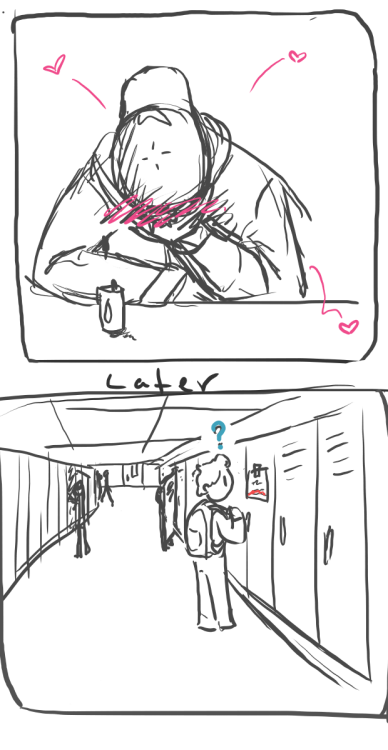
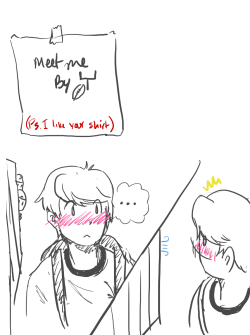
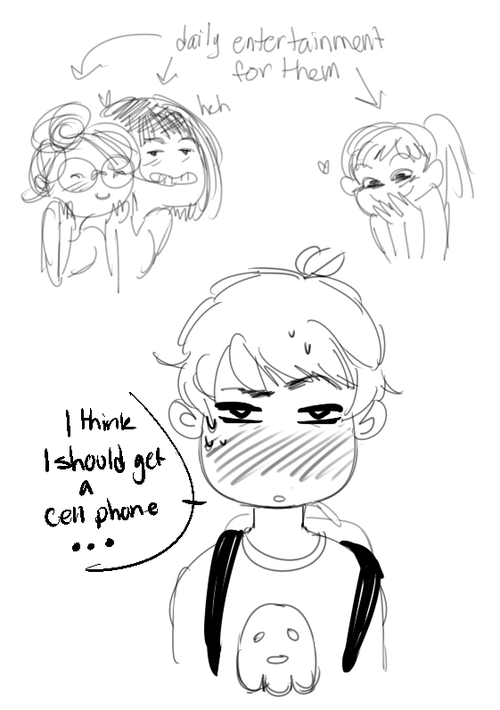
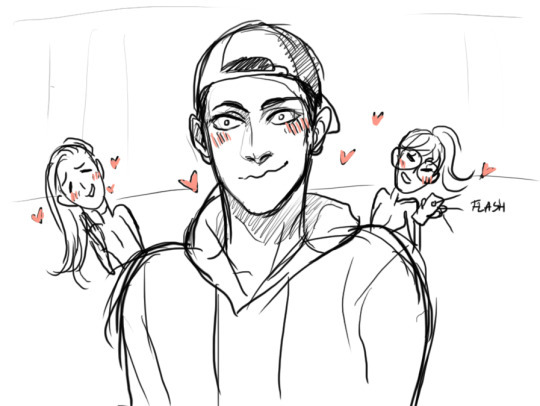
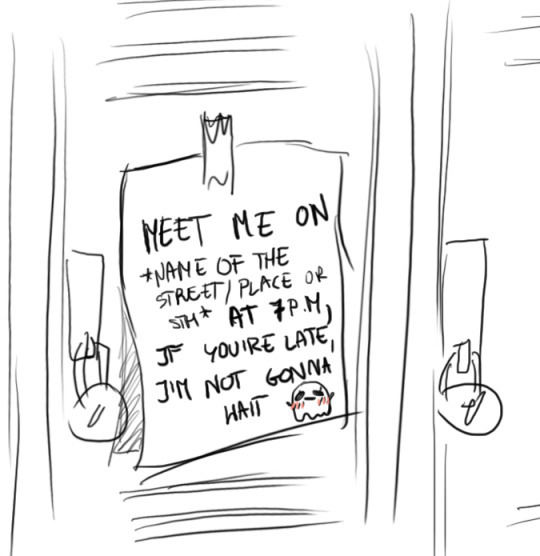
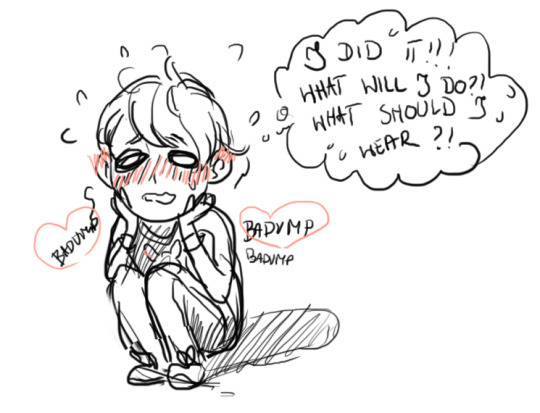
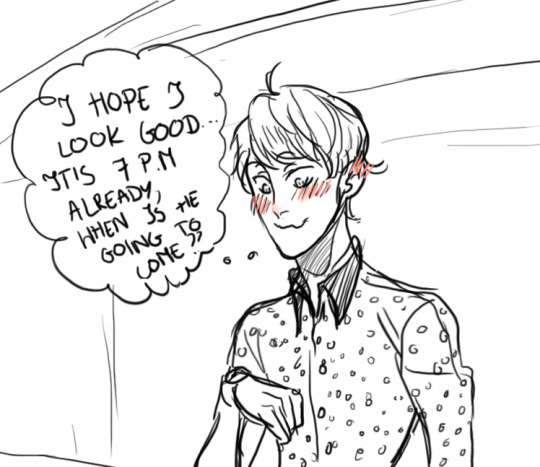
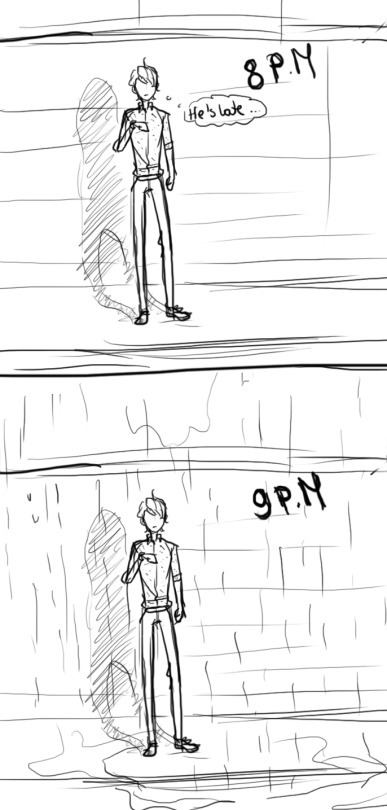
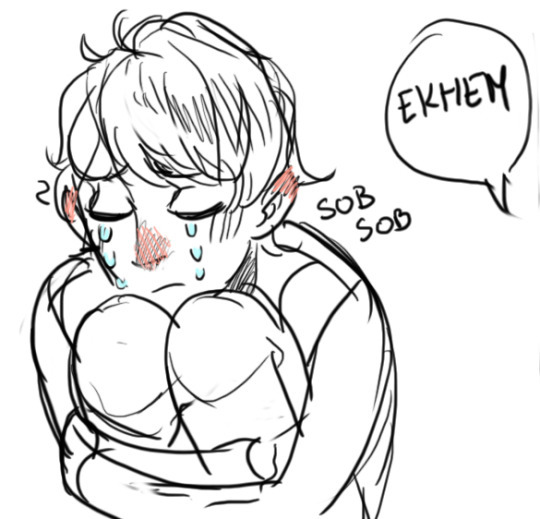
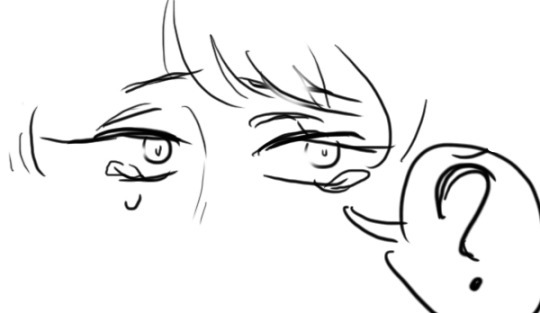
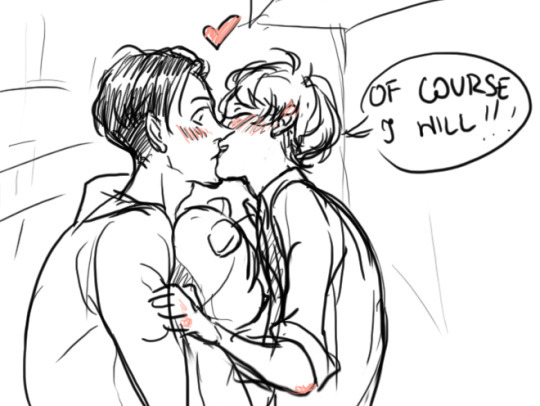
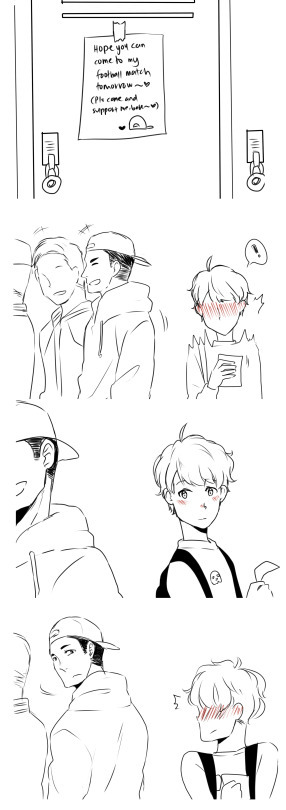
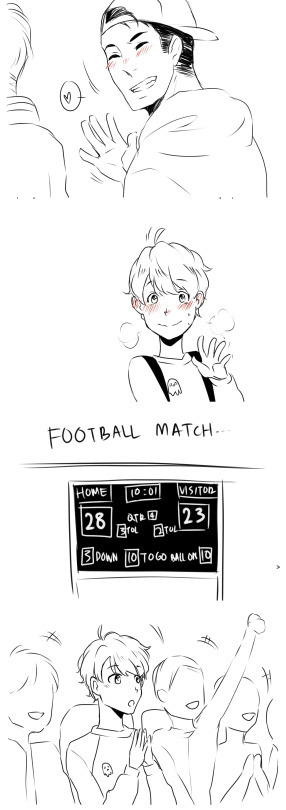
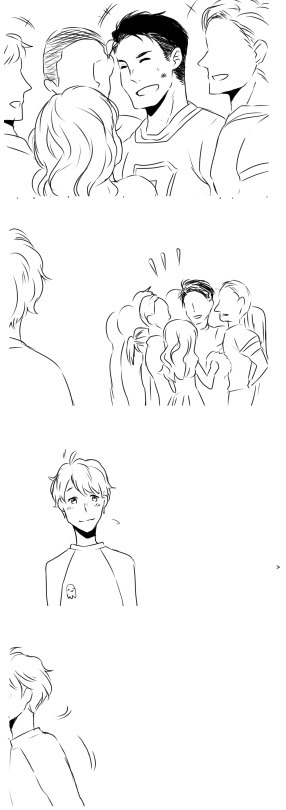
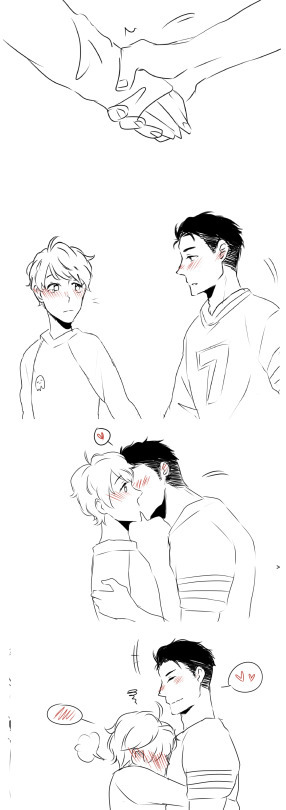
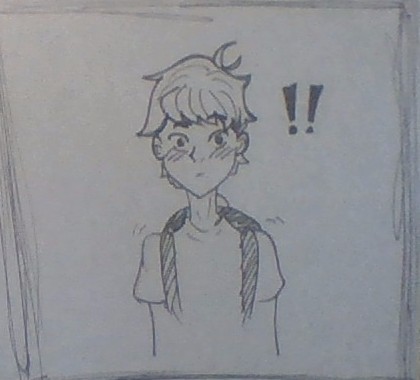
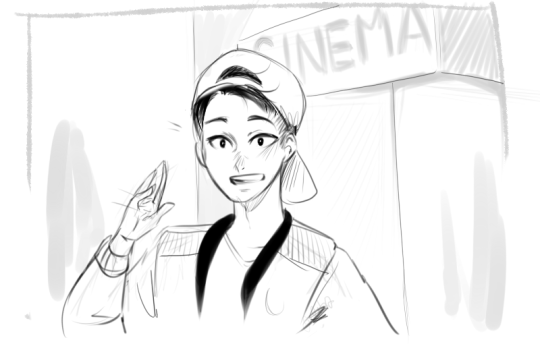
this is now a tumblr web comic, who knows when the next upate is, all we know is its gonna be fucking amazing when it happens
best thing ever
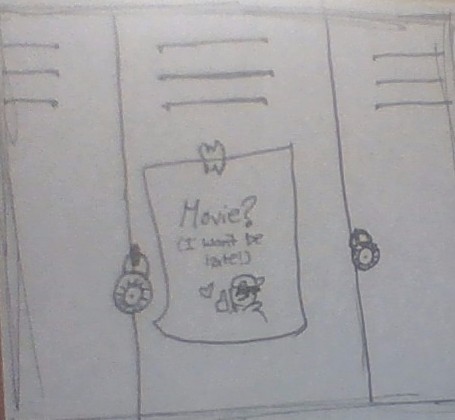
Traditional style (Sorry the picture quality is really bad) but here is my (super short) update!!
(The text says : Movie? I won’t be late!)
my contribution!
I rarely reblog long posts like this, but this particular collaborative comic thing has been around for /years/, like at least three or four, and it has an update every time I see it. It is a truly pure relic from a simpler time.
*screeching about how much more has been added since last year*
IT’S ON MY DASH AGAIN
GAAAAH SOOOO CUTE
OMG I REBLOGED THIS A YEAR AGO AND NLW ITS BACK AND GOT BETTER!!!!!
I AM SCREAMING THIS IS SO GODDAMN CUTE!
This is a tumblr treasure. We must all contribute and reblog and keep it alive forever.
&as long as you’re not disrespecting a culture with the way you do it
you keep on doing you
Its like someone looked into my brain and decided to make a photo set based on men I would find so overwhelmingly attractive I couldn’t look directly at them if I met them in person
One: Are there seriously still people who think guys can’t have long hair? Wow.











 shealwaysreads